We use cookies to make your experience better. To comply with the new e-Privacy directive, we need to ask for your consent to set the cookies. Learn more.

Occupancy Counting & Analytics

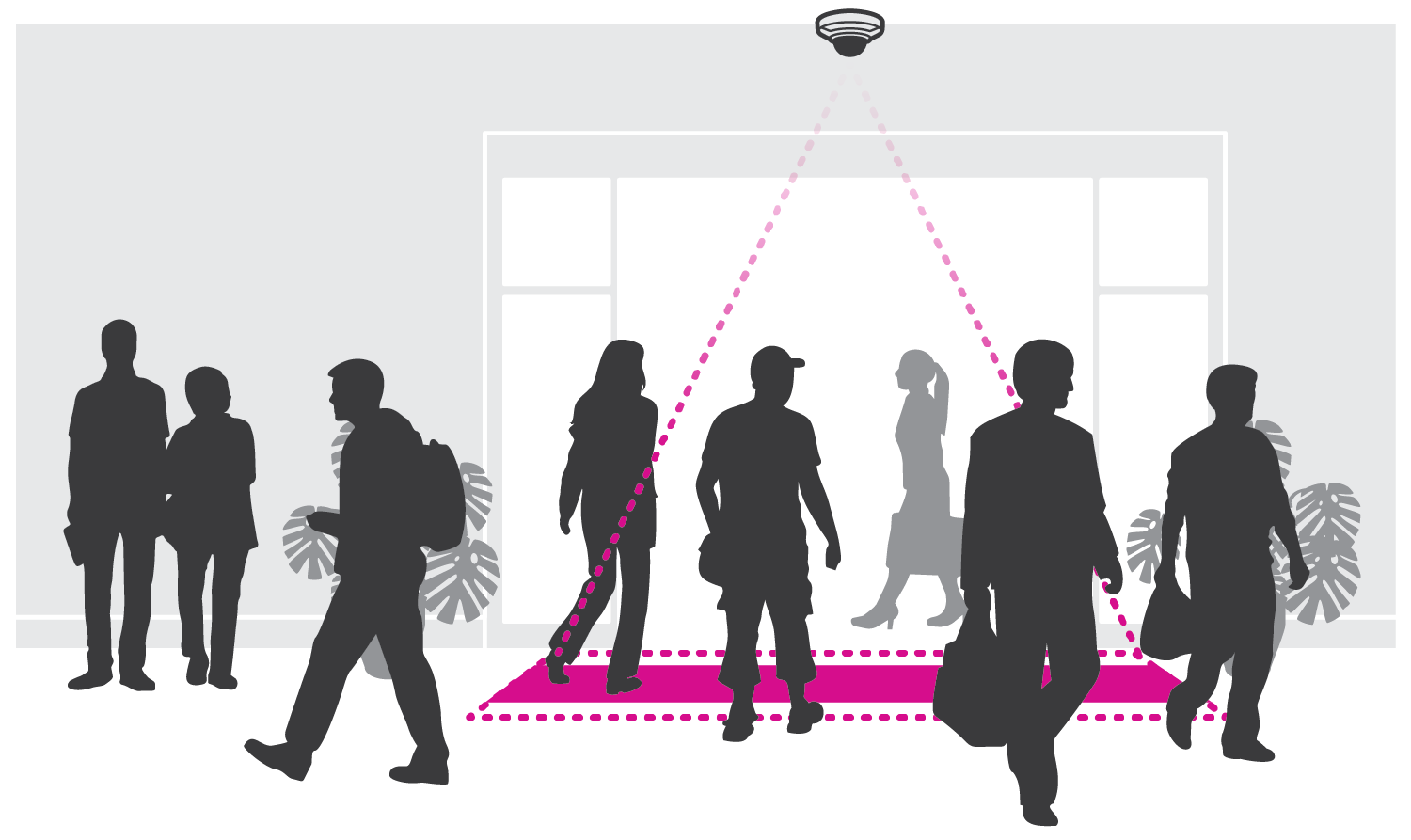
Retail occupancy counting and analytics refer to the process of tracking and analyzing the number of people present in a retail space or store. This information is valuable for various purposes, including operational efficiency, customer behavior analysis, and optimizing store layouts. Here's a brief overview of how retail occupancy counting and analytics work:
Occupancy Counting
There are different methods for counting occupancy in a retail space. Some common approaches include:
- Manual Counting: Staff members physically count the number of people entering or leaving the store using tally counters or other counting devices.
- Video Analytics: Surveillance cameras equipped with specialized software can detect and track individuals to estimate occupancy levels.
- Thermal Sensors: Infrared sensors can detect body heat and movement to estimate the number of people in a space.
- Wi-Fi Tracking: By analyzing Wi-Fi signals emitted by customers' mobile devices, retailers can estimate the number of people present in a store.
Data Collection:
Once the occupancy counting method is determined, the data is collected over a specified period. The frequency of data collection can vary based on the retailer's needs, ranging from real-time monitoring to aggregated reports over longer durations.
Data Analysis:
The collected occupancy data is then analyzed to gain insights and actionable information. Analytics techniques applied to this data can include:
- Occupancy Trends: Identifying peak hours, days, or seasons with the highest footfall to optimize staff scheduling, inventory management, and marketing efforts.
- Conversion Rates: Correlating occupancy data with sales data to understand conversion rates (i.e., the percentage of visitors who make purchases).
- Dwell Time Analysis: Determining how long visitors spend in different sections of the store, helping identify popular areas and optimize store layouts.
- Queue Management: Tracking waiting times and customer flow to optimize checkout lines and minimize customer frustration.
- Customer Behavior: Analyzing patterns in customer movements, hotspots, and interactions with products to improve merchandising and promotional strategies.
Reporting and Visualization:
The insights gained from the analysis are presented through reports and visualizations. These reports can be generated periodically or in real-time, depending on the requirements of the retailer. Visual representations, such as charts, heat maps, or interactive dashboards, can help stakeholders interpret the data more effectively.
Decision-Making and Optimization:
Armed with occupancy analytics, retailers can make data-driven decisions to optimize their operations, staffing levels, store layouts, marketing campaigns, and customer experiences. This information can also aid in benchmarking against industry standards or previous performance.